Physical & Mental Health
Positive physical and mental health helps you operate at your best. There is no shame in feeling down. This page may provide you with some ways to improve your health, and Hutchies' various support pathways to reach out for assistance if you need it.
#What is Mental Health?
Wellbeing is an overall term for all of the factors that help keep you mentally healthy. This is just as important as physical health.
Keeping your mental wellbeing in check has many benefits including better mood, more resilience and getting the most out of life. Research also shows that high levels of wellbeing are associated with more positive life outcomes such as better relationships, less stress and better life expectancy. Better mental wellbeing also leads to greater levels of engagement with and enjoyment of work.
In contrast, mental health conditions like depression, can cause distress and impact on day to day functioning. These impacts are also associated with poorer health outcomes and in some cases, suicide. Suicide is of particular concern to the construction industry, where rates are sadly higher than any other industry.
So it's very important that we all take care of our individual mental health as best we can, while supporting others to do the same. This is especially important in times of crisis (like the Coronavirus pandemic) because there are additional pressures that we all face as a result. The good news is there are many easy ways to help yourself keep on top of your wellbeing and you can do what suits you best. Dealing with mental health issues is similar to physical issues — earlier detection and intervention leads to better outcomes.
This page provides an overview of common risks to wellbeing, suggested ways to help yourself, resources to assist and contacts for support. It is intended as a guide only and is by no means a complete picture as everyone is facing different situations. It's important to consult a professional if you find yourself needing help or in stressful circumstances.
1 in 5
Australians will experience a mental health issue in any given year
45%
Number of Australians who will experience a mental health issue in their lifetime
Half
Of all Australians seek help for mental health issues
#Benefits
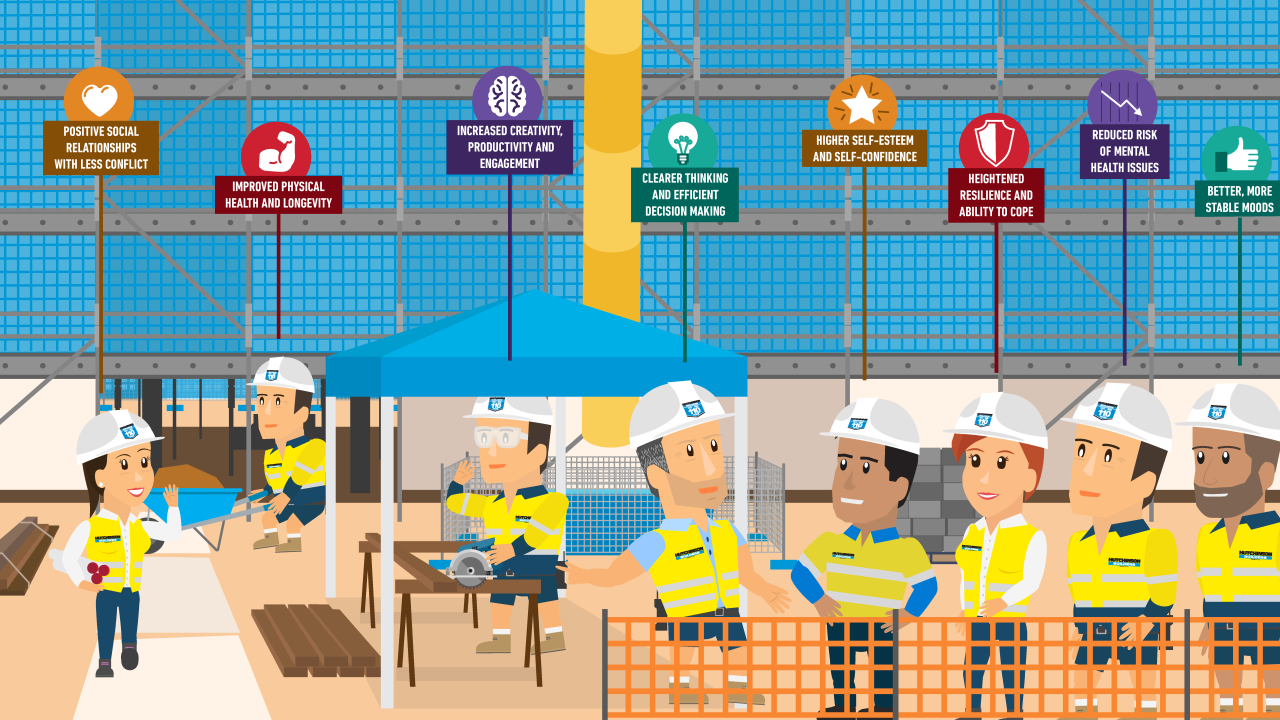
Some benefits from having a high level of wellbeing
#Common risks to wellbeing


#Ways to help
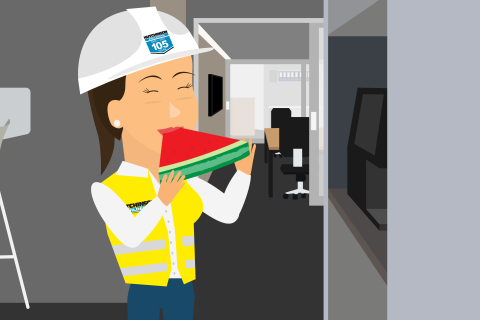
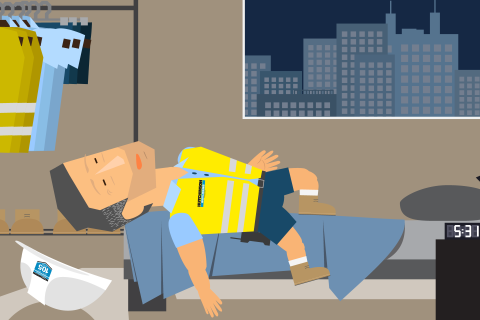


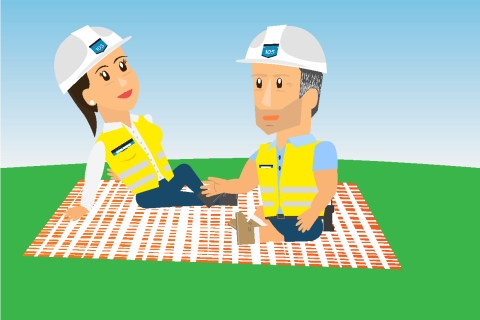
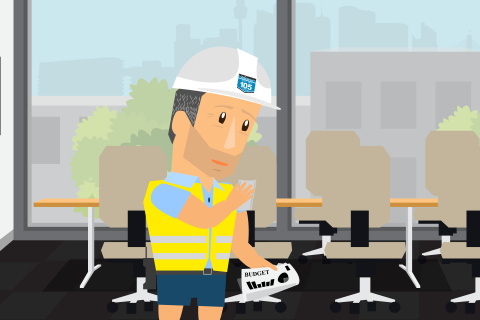
#Available tools and resources
#What you can do now
To help you manage your wellbeing, it's good to have a starting point or a baseline of where you are at right now.
It's not always clear what you need to do to get your wellbeing on track, but there are a few places you can start.
Reach out for support
If you feel comfortable, we recommend you also speak to someone within Hutchies who can help you explore company support options and services that may be available. This could be with your Team Leader, a member from Hutchies' Social Responsibility Team, a Regional Representative in your area, or a Director Hutchies.
Talk to your doctor
Your GP can help you understand where you are at by doing a number of things:
> Doing a full blood count to see if you have any physical issues that need taking care of (eg low iron)
> Getting a referral to other specialists or recommending people to talk to (eg nutritionists / physios)
> Conducting a general assessment of your mental health
> Setting you up with a mental health plan which enables you to get 10 subsidised (or free) sessions with a psychologist
> Suggesting avenues for treatment of particular issues
Talking to your doctor and other specialists is easier than ever right now because it can be done over the phone. As well as phone appointments, some psychology practices offer online video appointments that can be easier to attend from the comfort of your own home.
Get a comprehensive health assessment
GPs and other providers can also offer more comprehensive insights into your overall health.
This will typically consist of you providing details, having a selection of tests done and being physically examined.
The benefit of this is to help tailor information specific to you, so you can raise your wellbeing by focusing on key areas.
Download some helpful apps
Phones and devices have come a long way in terms of health technology. There are more apps than ever which are targeted towards wellbeing. A selection of useful apps have been provided below.
Check out the latest wearable devices
Wearables are devices you can wear, like watches, that help you track some physical aspects of your health, including steps taken per day, sleep quality and heart rate.
They aren't designed to be a substitute for getting checked out by the doctor, but they can help you monitor general health and alert you to when you need to start moving around because you've been inactive for a while or when your heart rate is higher than normal (indicating stress).
Apple, Samsung, Garmin, Fitbit and many others have wearables available for purchase — just make sure you buy one that is compatible with your phone for better tracking.
Join a few online groups and forums
Facebook groups, discussion boards like Reddit, and other forums can be good places to seek social support. These types of online forums can connect you with others who may be facing a similar situation, or who share common ground with you. There's social support online for everything - whether it be mental health, based on location, for a specific hobby/interest or many other things. Often hearing from others and what has helped them can motivate you to do the same.
Set some realistic groups and achievable goals
Confronting your wellbeing head on can be overwhelming, especially when it seems like there is a lot to do. You don't have to do everything all at once.
Start by making a list of simple, achievable tasks that you know you can get done, instead of aiming far into the future without solid direction. Use the SMART framework - specific, measurable, attainable, relevant and time-related. It has been found that setting goals that are recognised once they are completed helps to boost motivation and performance.
As you start to tick things off and make goal setting part of your routine, you can also think about the bigger picture and start to plan where you want to be, and how you'll get there.